What Does Composite Bonding Do?
Composite bonding is one of those treatments that sounds more complex than it actually is. Here is a clear explanation of what it does and whether it might be right for you.
What Is Composite Bonding?
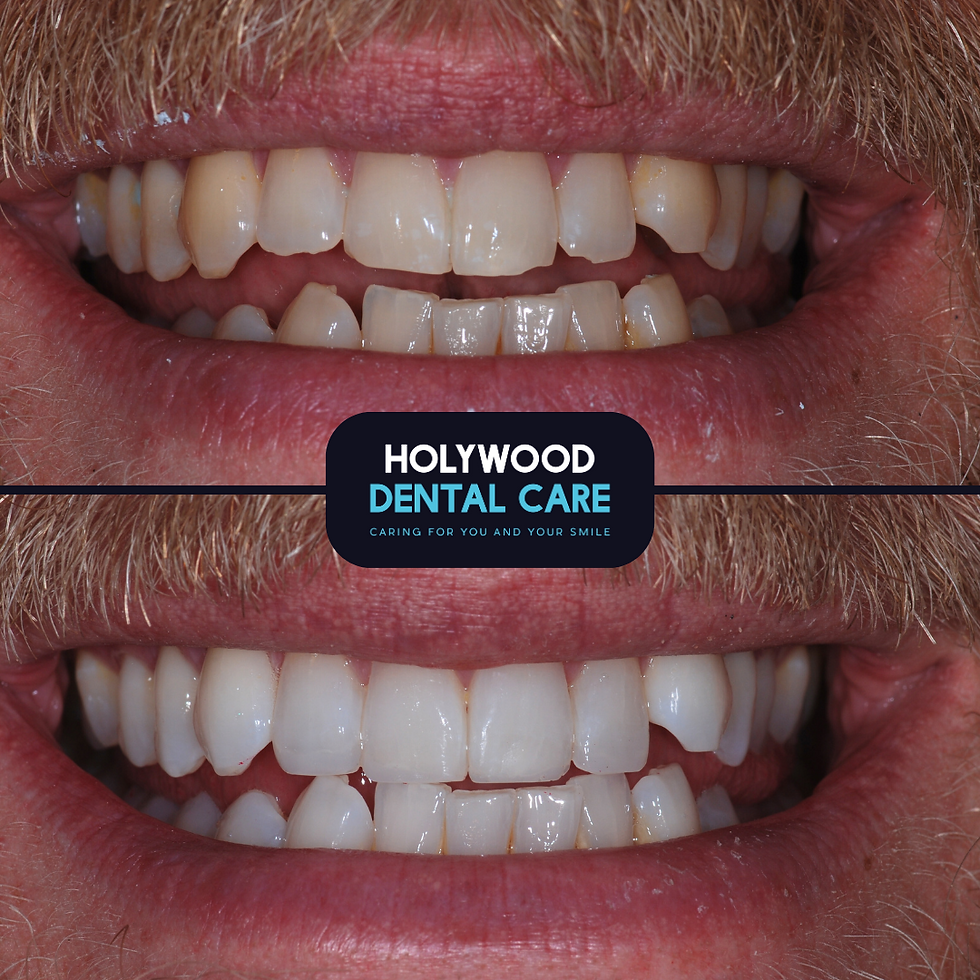
Composite bonding uses a tooth-coloured resin material, applied directly to the surface of your tooth, to change its shape, size, or colour. The resin is soft and mouldable when it goes on, which means your dentist can sculpt it precisely before setting it hard with a UV light. Because the material bonds directly to the tooth rather than replacing it, far less of your natural enamel needs to be removed compared to treatments like veneers or crowns.
What Problems Can Composite Bonding Fix?
Bonding is particularly well suited to correcting:
Chips and cracks: whether from a fall, biting something hard, or simply years of wear that catch up with most people eventually.
Uneven shapes: teeth that are slightly too short, too pointy, or noticeably different in size from their neighbours.
Gaps: small spaces between teeth that you would like closed without going down the orthodontic route.
Surface discolouration: staining that whitening has not fully resolved, or marks that have been there your whole life.
Worn-down edges: teeth that have gradually flattened from grinding or a strong bite.
It is worth having a proper consultation to confirm that bonding is the right fit for your specific concern, since some issues respond better to other treatments.

How Does the Process Work?
Your dentist will start with a consultation to talk through what you would like to change and, where possible, show you a visual idea of the result before anything is committed to. The bonding itself is usually completed in a single appointment: the resin is applied in layers, shaped carefully by hand, then set hard with a UV light and polished to a natural finish. Unlike veneers, there is no waiting for a laboratory, which means you can often leave with your improved smile the same day.
Composite Bonding vs Veneers: What Is the Difference?
Both can dramatically improve the look of a tooth, but they work quite differently:
Tooth preparation: veneers require removing a layer of enamel to make space for the veneer; bonding typically needs very little or no removal of natural tooth structure.
Timeline: veneers are made in a laboratory and fitted at a second appointment; bonding is done entirely chairside in a single visit.
Material: porcelain is more durable and stain-resistant long term; composite is easier and more affordable to repair or touch up if needed.
Neither is automatically the better option. It depends on what you are trying to achieve and how much change is needed, and your dentist will help you weigh that up honestly.
Does Composite Bonding Work Alongside Teeth Whitening?
Yes, but the order matters. Composite resin does not respond to whitening gel, so if you want both treatments, whitening always comes first. Your dentist whitens your teeth to your desired shade, then matches the bonding resin to that new colour precisely, rather than the other way around.
How Long Does Composite Bonding Last?
With good care, most patients get several years from their bonding before it needs refreshing. Habits like nail-biting, chewing ice, or using your teeth to open things (yes, we see it more than you might think) can shorten its lifespan. The good news is that if a small chip does occur, bonding is straightforward to repair without replacing everything.
Composite Bonding in Holywood, Belfast
If you have got a chip, a gap, or something about your smile you would like to change, we would love to take a look. We will be straight with you about whether bonding is the right approach and, where we can, show you what we are aiming for before we start anything.
Thinking about composite bonding? Get in touch with Holywood Dental Care to book your consultation.